
what does the better pants alternative actually look like?
WE CHAT TO PHOEBE Hunter-McIlveen, CO-FOUNDER OF PICO, to find out what they’re doing to change the world of underwear and basics.
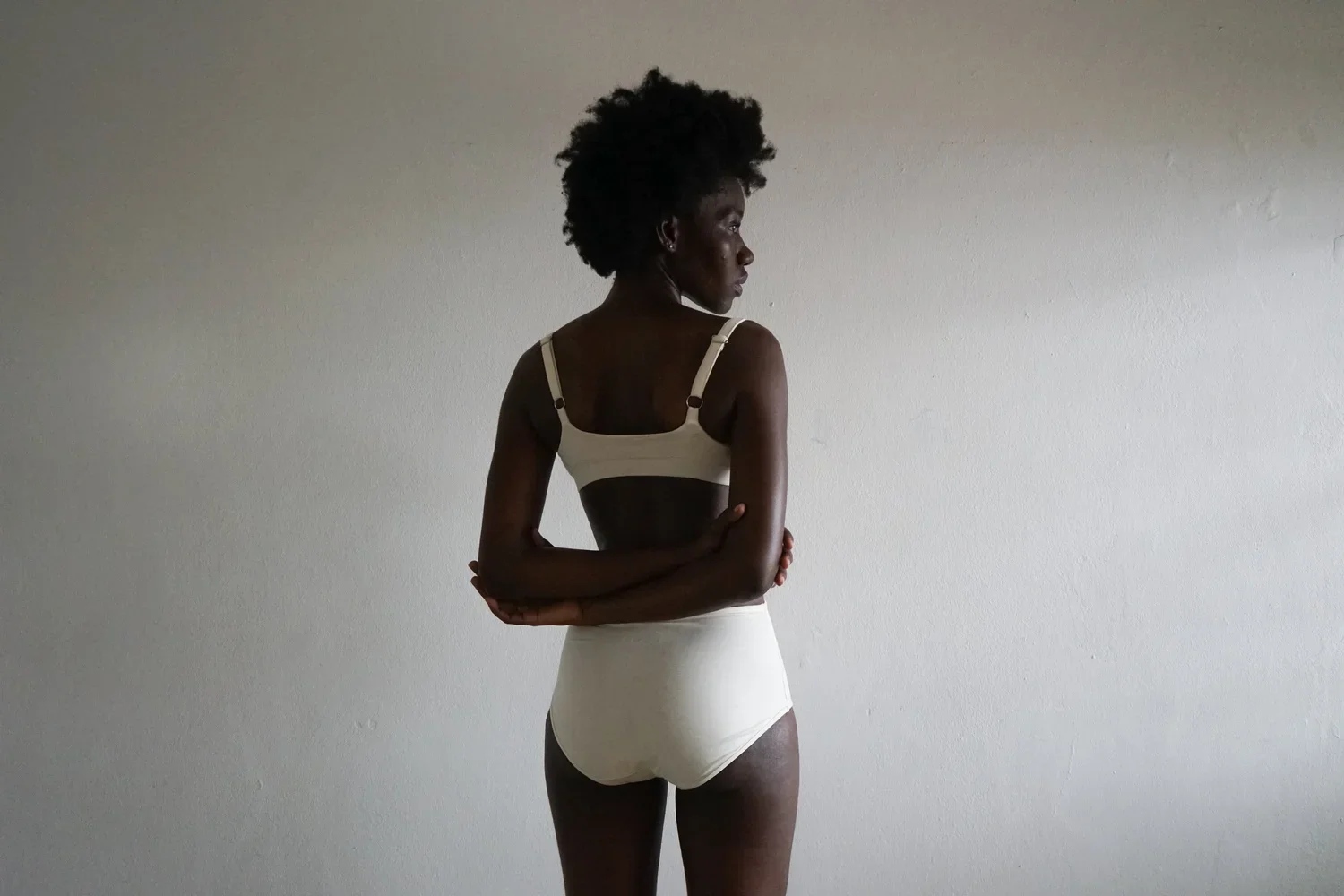
Credit: Mark Borthwick

Can you tell us a little bit about Pico - what's your mission and why?
Isobel and I co-run Pico together. Pico is an organic cotton underwear company and we work with a small production team in southern India who sew our incredibly comfortable everyday underwear. Our mission has always been to produce the most regenerative underwear we can and not be shy of our limitations, always out to improve and continue to push the boundaries of possibilities. We have been researching fibres for 10 years with a particular focus on organic cotton and indigenous cotton varieties. We are currently developing compostable underwear with an aim to get rid of all synthetics in our underwear and produce this range all within 85km radius. We set out to do business differently, in a slow and considered way, to be part of a shift to doing business differently.

Research is increasingly finding a potential link between wearing plastic fibres and clothes containing chemical treatments and health issues…
…including infertility, neurological disorders and cancer. What are your thoughts on who should be regulating this?
There definitely needs to be government regulation to keep us safe but unfortunately I don’t think this happens until there is a much greater awareness of what these implications are and to date so little has been shared.Consumers need to feel empowered so they can put the pressure on the Government. Once consumers know they can make a choice but as it stands there are not a lot on offer when it comes to fully synthetic free underwear. You get rid of elastane and you will not have the stretch and recovery that you get with materials that have elastane knitted in. This is one of the main reasons we embarked on a research programme with UAL and the British council to try and produce underwear without elastane or with bioderived alternatives and to work towards our ultimate goal of ‘compostable underwear made with local and regenerative supply chains’. Watch this space - we have some products launching later this year that are made with 100% organic (desi) cotton and continue to work with organisations looking into elastane alternatives.
TheSE health risks EFFECT CONSUMERS, but also those that make the CLOTHES.
Can you tell us a little bit about how you work with the people who make Pico products, and how this differs from more mainstream or fast-fashion brands?
We have worked with the same living wage, solar powered factory since we launched Pico. We work really closely with Girish (the factory manager) and he feels like an extension of our team. We have always wanted to be as connected as we could be to everyone in the supply chain. When working with Jersey (the t-shirt like material used in most underwear), this is a challenge as it is an industrially produced material that has to be produced in bulk and we have always sourced from farmers co-operatives producing organic cotton.
In India the majority of farmers farm a hectare of land, so work under these co-operative models. We have visited the co -ops and seen the huge benefits of not using pesticides and fertilisers and instead using organic methods and intercropping. It's better for their health, soil health and their financial stability.
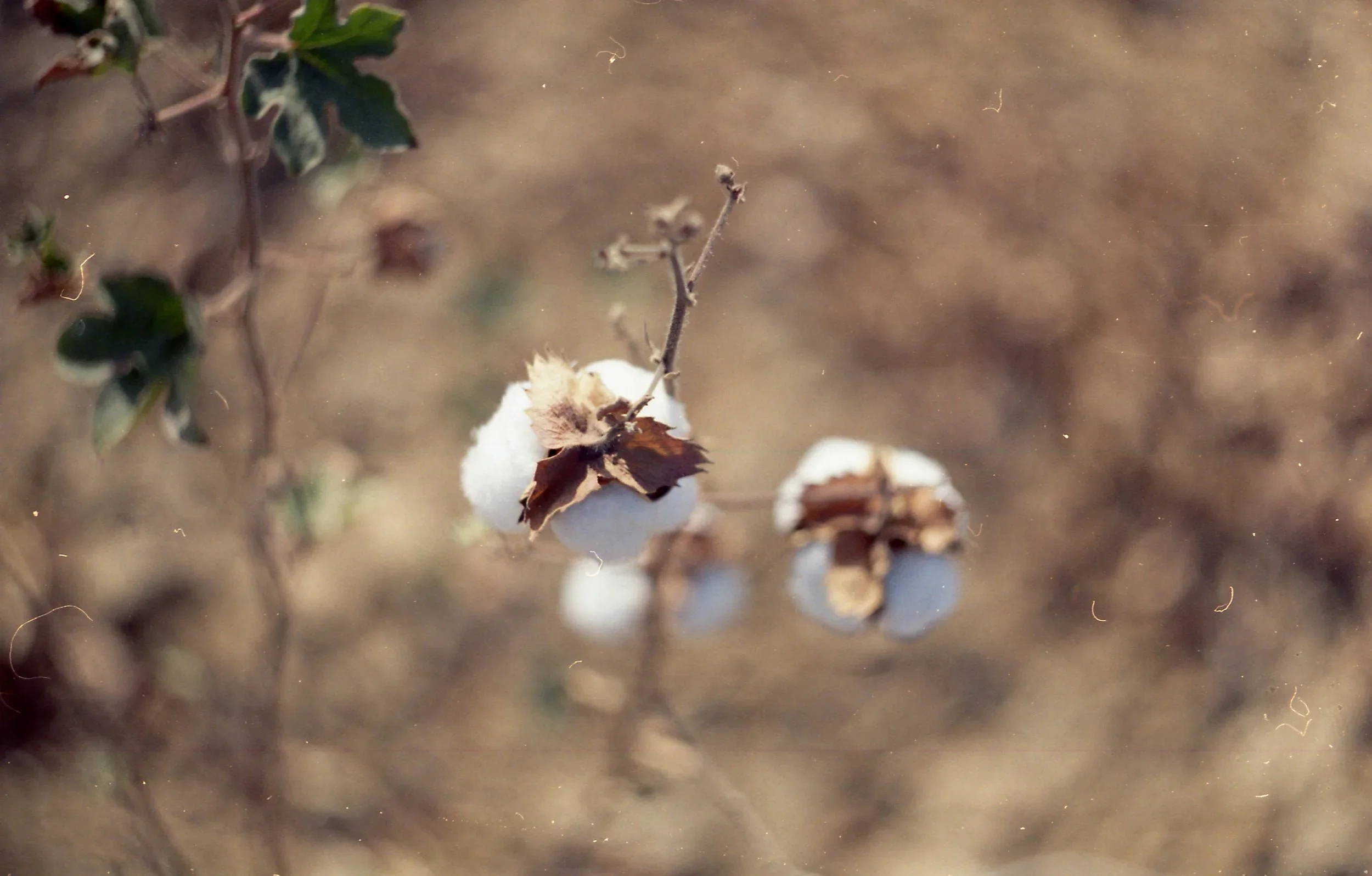
We have gone one step further working with desi cotton - this is fully rain fed and regenerative and the farmers can save the seed and feed the excess to their cows or make milk from some of the seeds. When undertaking our latest research project we have worked with Swaminathan from Kaskom who has been championing desi cotton for most of his career. He works with a small cluster of farmers, so just 8 were involved in this project, including Thangapuspham, a female farmer from theThoothukudi Dt:
“I am Thangapuspham, one of the few women cultivators in my village. I began growing Karunganni on one acre. I had heard of it through my grandmother's stories but had never seen the crop in fields myself. After cultivating it, I realised its low maintenance and compatibility with intercrops like cowpea and coriander.
I feel these seeds are good for Paruthi Pal (Cotton seed milk) — with varieties of G. arboreum, it was traditionally practiced as a health drink for human consumption, and the seeds are also used as cattle feed. In a way, it reflects waste valorization.”
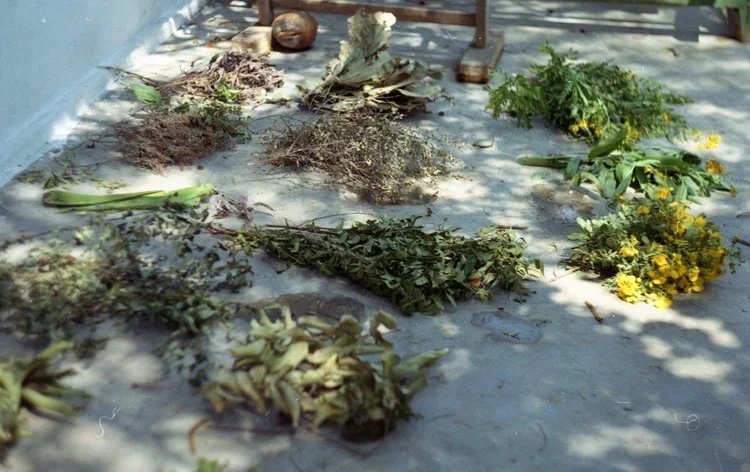
Another example of how we continue to learn, grow and implement change for the people we work with as well for Pico customers is when we shifted how we process our material. Even under GOTS organic certification, material will be made ready for dying using bleaches, and we did not want this. So, we worked with Girish at Mila to organise the material to be washed with soap nuts instead, so all our ecru pieces are unbleached and undyed and you can see the irregularities and colour variations within the knit, including remnants of the cotton husk , which are a reminder of the natural and organic origin of the garments.
We have also been working with desi cotton for many years and this first started with a collaboration with Khamir to produce hand spun and hand woven towels from Kala cotton (the rain fed local variety) in Gujarat. Here is a little more information here and a photo journal here.
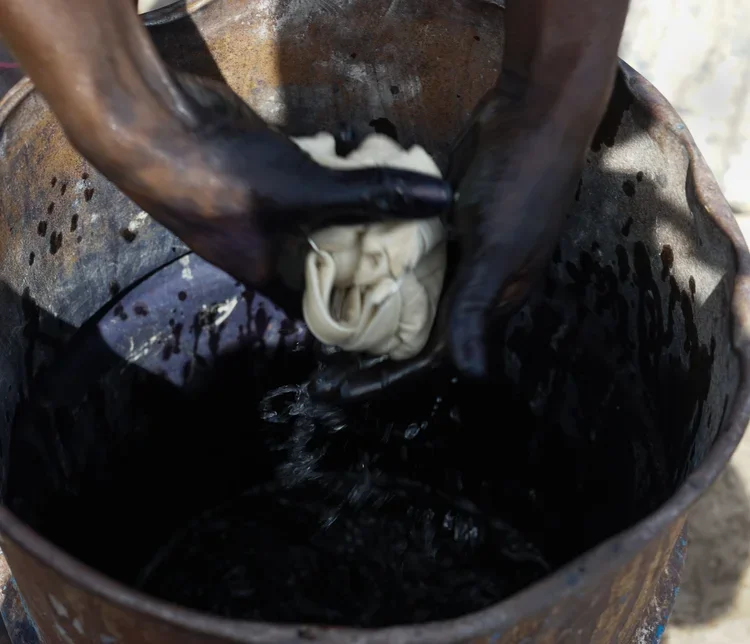
We continue to work on limited edition ranges of natural dye pieces like the Daboya collection, where our organic cotton underwear was hand-dyed by the talented artisans of the Daboya community in Northern Ghana. Journal here
We did multiple natural dye ranges with an incredible natural dyer called Kathryn Davey, in Dublin. We are now having some more natural dye pieces launching this year, where we have been working with True Tone Ink in Mysore.
What’S the one thing you think everyone needs to know ABOUT UNDERWEAR?
Around 5 million kilos of underwear a day ends up in landfill sites across the US (World Economic Forum, 2020). This is in the US alone, so think about that figure across the whole world.
Buy organic where possible and then look for biodegradable possibilities and organisations working towards compostable ranges. Biodegradable does not mean compostable, but it is a step. We are getting many more inquiries from people who have actually formed plastic allergies from their clothes, so I think that the implications of these relatively modern materials are only just becoming known to us.
There are so many hidden chemical processes involved in material production, so if you want to dive deep - do your research. So many people encouraged us to use bamboo, but to make fibre from this it requires heavy chemicals to break it down. We are trying to work small and stay connected and share what we know, but we know there is much we are yet to know.

What's next for Pico? Can you tell us a little about your journey ahead and what your next ambitions are?
As we mark 10 years of Pico this October, we will be launching our “Back to the Land” collection. As part of our ongoing work towards our ultimate goal of ‘compostable underwear with local and regenerative supply chains’, we shall be producing small batches of our classic styles where we will be exploring biodegradable alternatives to standard elastane, thread and elastic waistband .
We will also be introducing small batches of 100 % cotton garments including a very special limited range of desi cotton garments, too. These formed part of our two year research project with the British council and UAL. There is lots more to come on this but we are very excited to be taking big steps towards compostable underwear.