What is Sustainable Fashion?
From shopping second hand and rewearing clothing, to visible mending and upcycling, to organic cotton and natural fibres. Sustainable fashion looks like many things.
The common thread that pulls it all together is designing, making and wearing clothes in ways that reduce our environmental impact, treat workers fairly and respect animal welfare.
The damage report
The fashion industry is one of the most polluting in the world.
The numbers speak for themselves.

Fashion is political
What you wear matters
Fashion is about so much more than clothes.
Behind the endless drops, glamorous catwalks and the “new in” notifications, is a complicated machine running on exploitation. Take a pair of jeans: cotton grown on poisoned land, woven into fabric by underpaid workers, sewn into garments by women in unsafe factories, dyed with chemicals that pollute rivers - all yours for £5.99 and binned after three wears.
Fast fashion needs you to consume blindly, chasing the next trend. It’s a system that profits from racism, sexism, inequality and a planet on fire. It’s counting on you not to notice!
Sustainable fashion takes a closer look. It sees the industry for what it is: broken.
It supports communities fighting back, refusing to fund a system built on harm. Inviting you to reclaim your power, your style and your values.
What you wear is a statement. Make it count.

Get Involved!

Why is sustainable fashion important?
It’s better for the planet. The fashion industry accounts for up to 10% of global greenhouse gas emissions - more than the emissions of international flights and maritime shipping combined.
Most of these emissions happen well before an item ends up in your wardrobe. Growing fibres like cotton, extracting raw materials, processing and production are incredibly energy-intensive. Fossil fuels and toxic chemicals negatively impact the environment and communities, too.
Sustainable alternatives, however, use renewable energy, biodegradable materials and less water. Our wardrobes can help tackle climate change. Choosing natural fibres like cotton, linen, wool and plant-based fabrics like viscose is good. And even better if they’re grown using organic and regenerative farming. This reduces the strain on the planet’s finite resources.
Waste colonialism is the practice of dumping unwanted textiles in other countries. Instead of making others deal with its waste, sustainable fashion takes responsibility. From repair, upcycling, second hand shopping to textile-to-textile recycling and innovative waste solutions. Sustainable fashion doesn't make it someone else's problem.
If the industry made these changes in the next decade, it could halve its collective greenhouse gas emissions.
Source: UN Partnership on Sustainable Fashion and the SDGs by UNECE
Source: Fashion on Climate: How the fashion industry can urgently act to reduce its greenhouse gas emissions by Global Fashion Agenda and McKinsey & Company

It’s better for people
Many assume clothes are made entirely by machines - they're not. Almost all clothing involves human labour. To keep up with increasing demands for cheaply made clothing, garment workers and farmers are often severely underpaid and work long hours in poor, unsafe conditions. It’s common for these people to be living on the poverty line, with only 2% estimated to be paid a living wage.
To keep costs down (and profits big), many factories are based in countries with low labour costs, such as Bangladesh, China and India, where most of the world’s garments are made. Some of these countries don’t impose a legal minimum wage because the governments don’t want to discourage foreign investment, leaving workers vulnerable to exploitation.
This doesn’t mean all clothing from these countries is produced unethically. Sustainable fashion brands and companies prioritise safe working environments and fair pay for their workers, actively protecting their rights. It also combats the exploitative “race-to-the-bottom” model, shifting value from typically Western corporations back into local communities.
Moving away from producing so much cheap, synthetic clothing could support the global economy, too. A new circular economic model that focuses on regeneration, reuse, recycling and minimising waste would save our planet’s resources, put money back into local communities and improve working standards.
Source: Do you know how much garment workers really make? by Fashion Revolution
It’s better for you
We have a serious shopping habit. Each person in the UK buys more clothes than in any other country in Europe. Yet, we throw away around 300,000 tonnes of clothing every year, ending up in landfills or incinerators. Neither is good for the planet, nor for our wallets.
Cheap clothes are sold to us as the “affordable” option. Ironically, they often cost more in the long run. Patrick Grant talks about this in his book Less (available in our shop). He points out that spending a little more on one quality item that lasts decades beats replacing a cheaper one every season.
The cost-of-living crisis, however, means spending more doesn’t always feel like an option. You don’t need to buy new to take part. Start with what you already own. The more you re-wear and repair your clothing, the lower the cost per wear and the less you spend!
Swapping and shopping second hand are much cheaper (and more fun) than fast fashion, too. When you're more considerate about your consumption, you care more about your clothes. The more you care, the more connected you feel to what you wear. Getting dressed becomes intentional, not a habit.
As well as being fairer to those making the clothes, sustainable fashion is fairer to those buying them. Many of today’s clothes are synthetic, often treated with chemicals such as BPA, BPS and PFAS. These are linked to serious health risks. Sustainable fibres and materials, however, avoid toxic chemicals and dyes. Demand transparency. If a brand won’t show you, that’s your answer.
Source: Fixing Fashion: Clothing consumption and sustainability by UK Parliament Environmental Audit Committee
Our Vision!
A sustainable fashion industry that is…
LOW IMPACT
A fashion industry that treats and pays workers fairly. That protects habitats, minimises carbon emissions and puts people, animals and the planet first.
The way we make and wear clothes must be regenerative - giving more back to nature and communities than it takes. Supporting ecosystems and livelihoods across the globe.
A culture of exchange
A fashion industry that ditches extraction and exploitation for fair exchange. A healthy give-and-take with nature in the places where clothes are made, worn and responsibly let go.
People and communities swapping, sharing and collaborating. Industry stakeholders are doing the same - sharing data, knowledge and best practices to move faster towards a sustainable future.
Driving collective action
A fashion industry that takes a stand. That rejects the idea that cheap, disposable clothing is in anyone’s best interests - and demands better.
Power shifted from big corporations back into local communities. People sharing skills, knowledge and resources for a fairer future. Away from fast fashion. For good.
Start your sustainable fashion journey
Fashion action is climate action
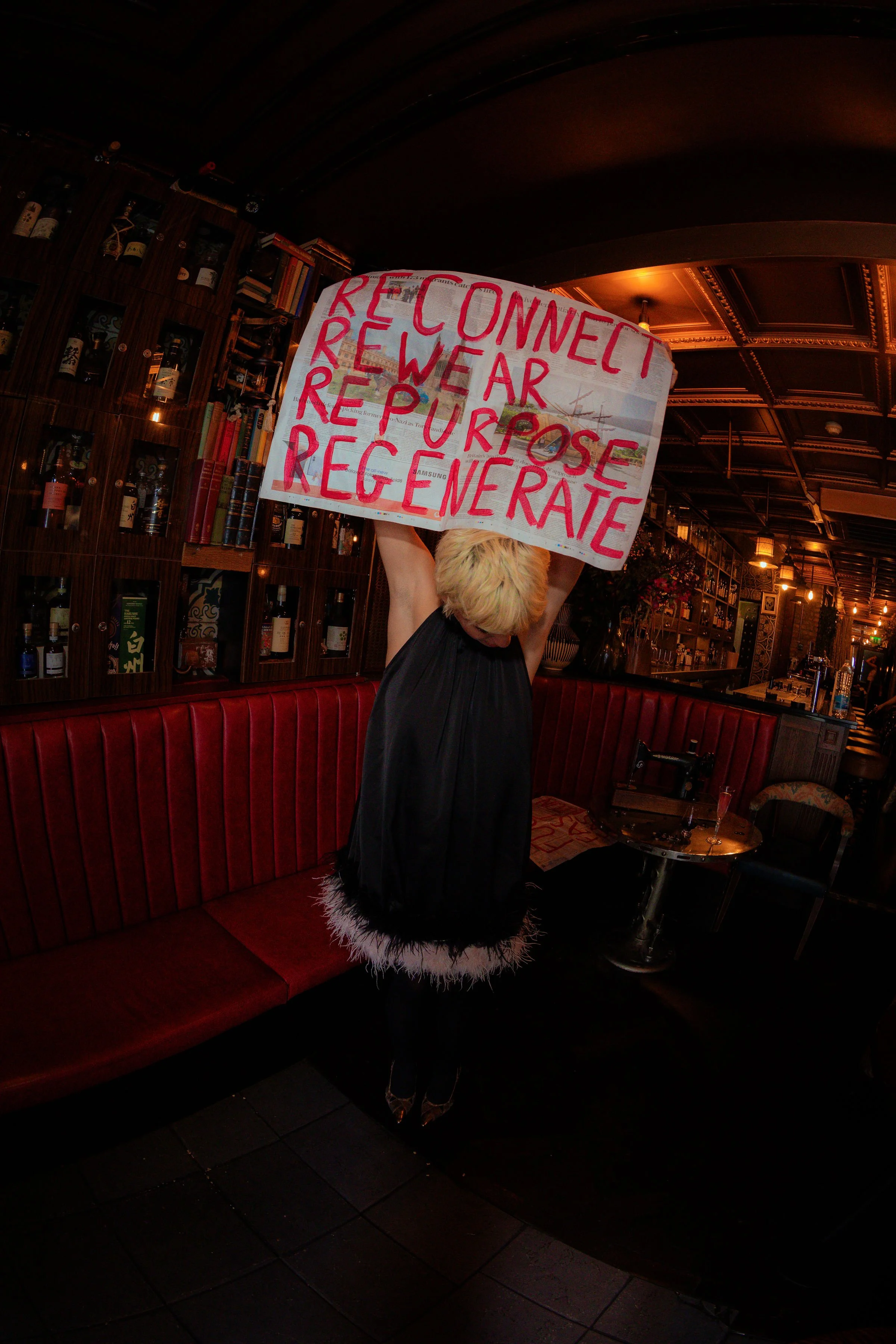
Reconnect: Change starts in your community, not your checkout basket.
Reconnect with your community to share skills and knowledge
Join a local activism group and take a stand against fast fashion
Learn about how fashion can be more accessible and inclusive
Investigate how and where your clothing is made
Unfollow fast fashion accounts and see how quickly your mindset shifts
Repurpose: The bin is never the only option.
Take your items to a tailor to be altered
Learn how to repair with visible mending techniques
Keep textile waste out of landfills by repurposing it
Discover creative ways to upcycle old clothes
Use deadstock fabric or old bedsheets to make something new
Rewear: Your wardrobe is already full of potential
Do a wardrobe audit to make sure you’re wearing your clothes
Shop second hand and support your local charity shops
Head to a clothes swap (or host your own) to share clothing
Check out sustainable clothing rental for special occasions
Be a proud outfit repeater!
Regenerate: Every purchase is a vote. Make yours count.
If buying new, choose natural, organic or recycled materials
Reject fast fashion and hold those brands accountable
Shout about sustainable businesses on social media
Learn how to wash and care for your clothes sustainably
Brush up on a brand’s workers’ rights before choosing where to shop
What is fast fashion?
The impact of our shopping habits
Historically, fashion brands would launch two collections a year: Spring/Summer and Autumn/Winter. Nowadays, fast fashion brands can churn up to 10,000 new products a day!
Yes, you read that right.
The industry has got its foot firmly on the accelerator. It's racing us towards huge amounts of textile waste, carbon emissions and climate disaster. We can’t keep this up.
Fast fashion encourages a throwaway culture. Big marketing budgets encourage you to buy cheap, wear once and bin - ready to move onto the next trend. The more you buy, the more fast fashion profits.
But it all comes at a cost. At either end of the supply chain, someone is short-changed. Nobody wins long term - except the brands cashing in while exploiting garment workers, the planet and you.
Source: Shein: the unacceptable face of throwaway fast fashion by The Guardian
What is greenwashing in fashion?
and how to spot it…
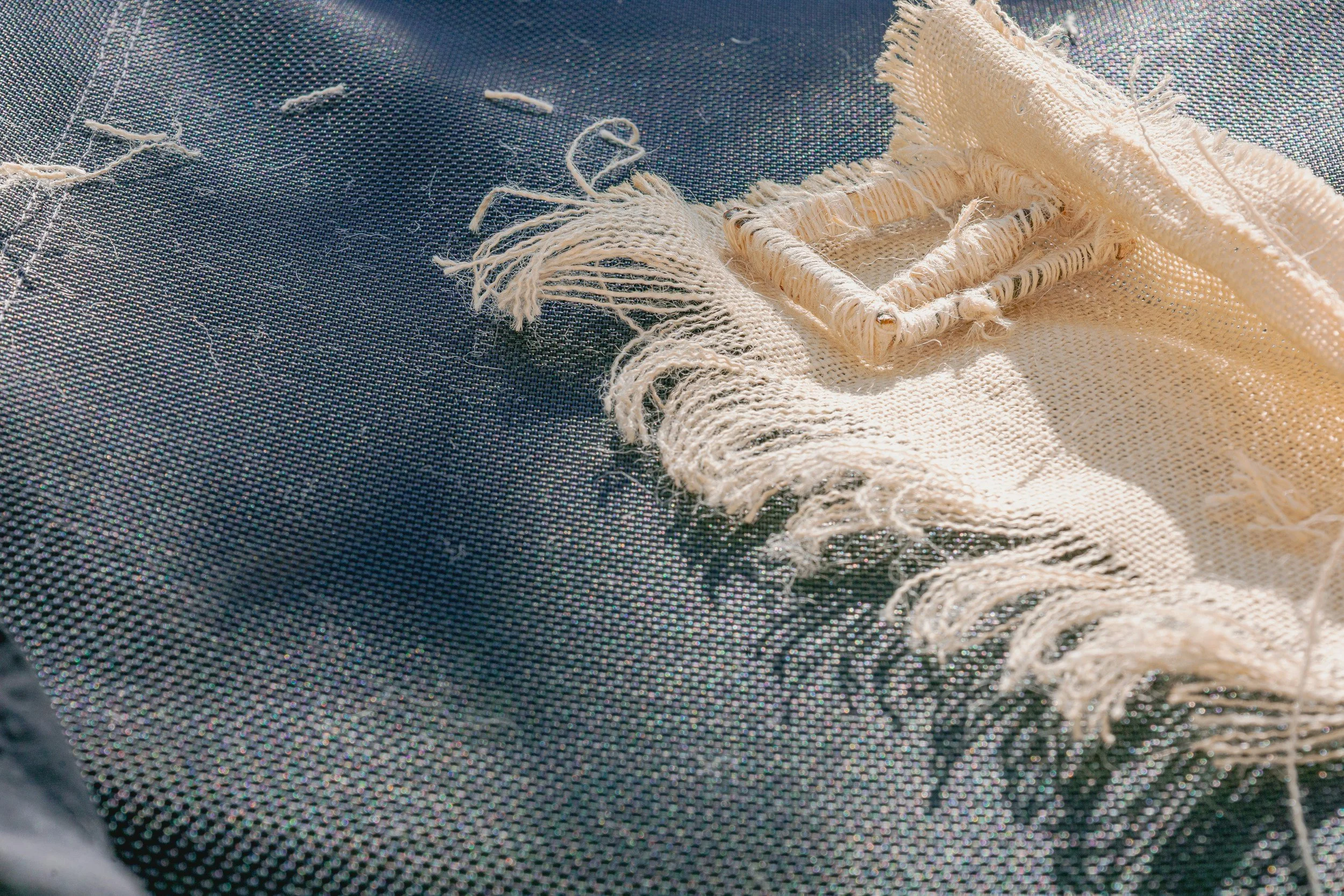
Greenwashing is sharing false sustainability claims. Misleading marketing makes a product or brand appear more sustainable than it actually is.
While the Advertising Standards Authority (ASA) and the UK Green Claims Code are cracking down on greenwashing, they still have a way to go.
Vague terms like: eco-friendly, conscious, preloved, reclaimed and green, among others, remain unregulated. Any brand can use them. Understanding what is actually sustainable when it comes to fashion is very confusing.
There are ways to spot greenwashing; you just need to know what to look for.
The first thing you can do is check the label. Look for certifications and standards like Global Organic Textile Standard (GOTS), OEKO-TEX or World Fair Trade Organization.
You can also play detective and head to the brand’s website or social media. See what they share about their supply chain and whether it backs up their claims. You can also check a brand’s sustainability rating on Good On You.
If in doubt, ask! Demand more information. Knowledge is your best defence against greenwashing.
More sustainable fashion knowledge at your fingertips
Blog