
IT ALL COMES OUT IN THE WASH.
What’s the problem with synthetics?
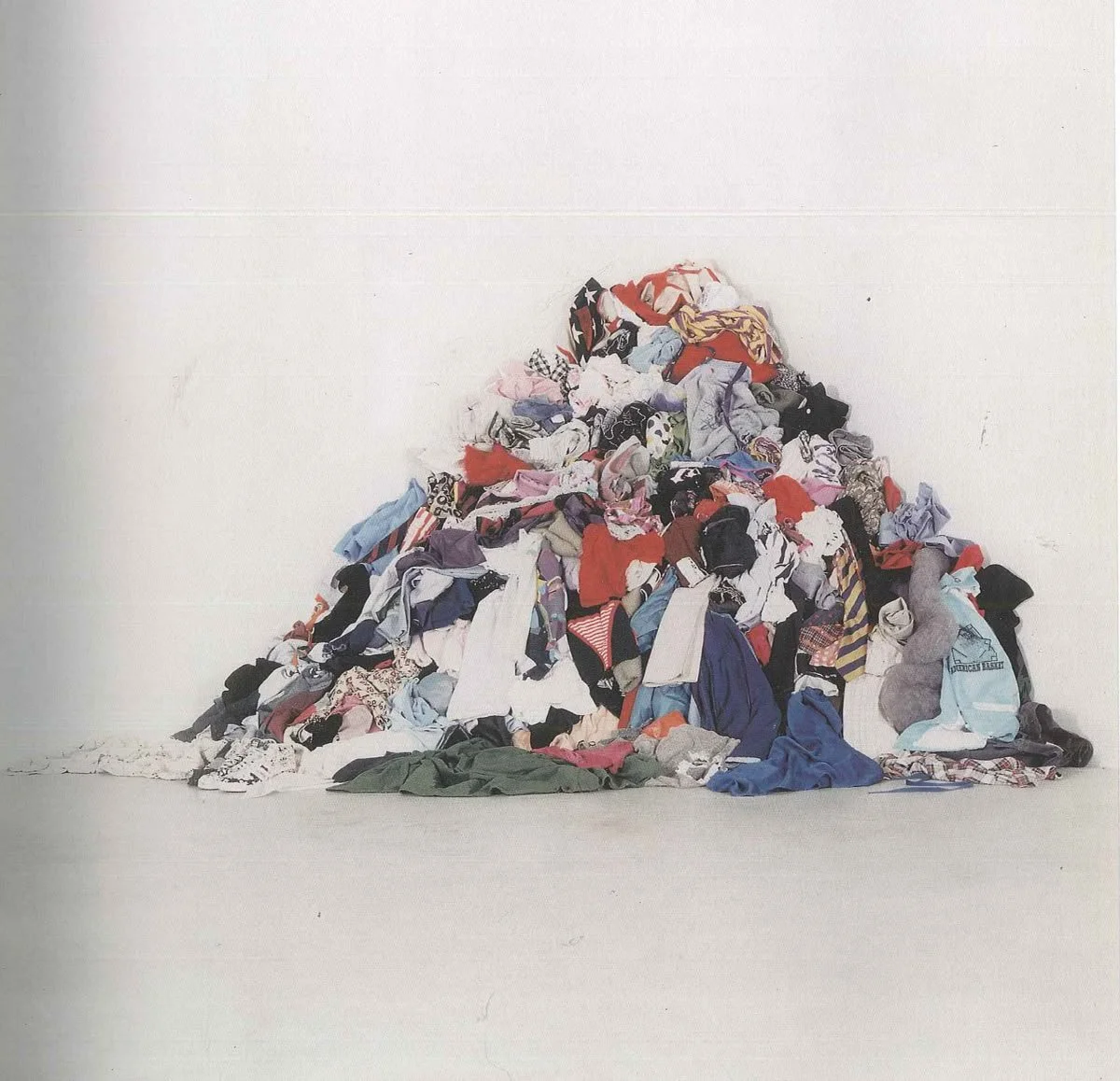
Credit: Mark Borthwick
As an ecological medicine practitioner, my focus has tended to be on nutrition and on how to avoid the toxins that can enter our bodies via our gut from food and drink, and via our lungs from the air. But, the skin is the largest organ of the body! It absorbs toxic chemicals from synthetic perfumes, creams and so on but also, potentially, from our clothing and our bed linen. Most of the chemicals which contaminate our fabrics are petrochemicals (meaning they’re mostly made from crude oil) and are lipophilic (fat-soluble), meaning they can penetrate our skin. Once through the skin, they will head straight for fatty organs like the brain. So, let’s start by looking at the synthetic fabrics that constitute a higher and higher percentage of clothing materials worldwide.
Nylon, polyester, acrylic and so on are not breathable, so can irritate the skin in some people, and manufacturing them contributes to greenhouse gas emissions. When they’re washed, they shed microplastics - one third of all the plastic in the ocean is coming from our synthetic clothes!
These microplastics get eaten by zooplankton and crustaceans, move up the food chain to fish and eventually get eaten by mammals like whales and humans; the plastic pollution that our synthetic clothes are causing comes back to bite us, hiding in our food.

IT’S NOT JUST THE FABRICS, IT’S THE CHEMICALS, TOO.
Furthermore, unlike some natural fibres, synthetic fabrics are not naturally fire-resistant. So, manufacturers add flame retardant treatments like PBBs, Polybrominated biphenyls. These substances are incredibly nasty, classified by IARC (International Agency for Research on Cancer) as probable human carcinogens.
Then there’s formaldehyde. Formaldehyde is a dangerous reproductive toxin also classified by IARC as a carcinogen (in a nutshell: anything that damages our DNA will affect both reproduction of people, leading to infertility and birth defects, and reproduction of cells, leading to cancer). What’s formaldehyde doing in our clothes? It’s making them non-crinkle and non-iron, that’s what. All those ultra-convenient non-iron shirts – it’s formaldehyde making them that way. Don’t buy them. You could choose the less convenient but safer option and iron your clothes; however, if you think life’s too short to iron a shirt, you can put your clothes on and discover that the creases mostly disappear within a few minutes of wearing.
If the clothes you are about to purchase are conveniently stain-resistant, water-resistant and odour-resistant as well as wrinkle-resistant – stop and take a breath. I’m sorry to tell you this, but what makes them so is a whole class of modern chemicals called PFAs, polyfluoroalkyl substances or perfluoroalkyl substances. They are carcinogenic and are in about 75 per cent of all waterproof and stain-resistant clothes. You probably won’t wear a raincoat directly next to your skin – please don’t – but still, when it gets washed and eventually disposed of, those chemicals leach out into the environment and, as we now know, what goes around comes around. And that’s without even considering the damage to the health of the people who manufacture, apply and work with these chemicals at source.
As the investigative journalist Alden Wicker documents in her recent book, To Dye For, many other chemicals are added to conventional clothing in the process of manufacturing. They have effects like those we have encountered already, being implicated in cancer, autoimmune disease and disruption of the reproductive and endocrine (hormone) systems. These chemicals include toxic dyes like the azo dyes. I often used to find azo dyes when I blood tested very sick patients, and usually they seemed to be coming either from bright coloured hair dyes (pink and blue mostly) via the scalp, or from tattoos; I did not realise that they might have been coming from brightly dyed clothing too.
Let’s Go Natural - and yes, Organic MATTERS.
I can’t say it enough - certified organic DOES matter when it comes to our clothes. It means the clothes won’t contain any of the chemical treatments listed above, and it means the natural fibres were grown without pesticides, insecticides or other nasties.
I am so concerned about the invisible, chronic effects of pesticides in non-organic cotton touching our skin for extended periods of time: bedding, nightwear, underwear, tee shirts, jeans and leggings. We know that pesticides are damaging us when ingested on our food, so there’s no reason why these toxic effects wouldn’t be happening equally from prolonged skin contact.
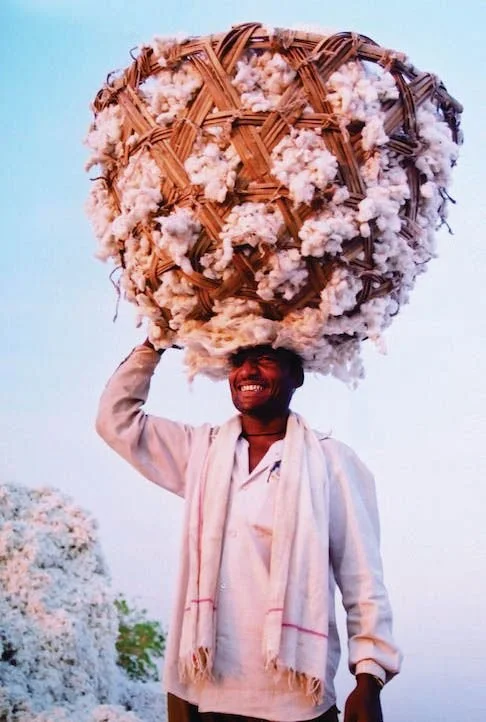
So, let’s cheer ourselves up by looking at natural fabrics. Cotton is natural; it’s a plant that grows. 100 per cent organic cotton is great, and also uses less water to grow than does non-organic cotton. At the moment, an estimated 2.9% of the cotton grown globally is organic (Textile Exchange, 2025).
You can get 100 per cent organic cotton clothing from great brands like Greenfibres, and more and more outlets are appearing. If you’re buying, do check that the item is made of 100 per organic cotton, not just ‘made with organic cotton’, which may be a con. Always look out for the crucial GOTS certification; it stands for Global Organic Textile Standard. Their logo is for clothes and bedding what the Soil Association logo is for food: strict and trustworthy.
It is also perfectly possible to get clothing coloured only by natural, botanical dyes, often from the same outlets which sell 100 per cent organic cotton products. For example, Mima Natural Colour (www.mimanaturalcolour.com) produces what they call ‘slow fashion’, natural fabrics hand-dyed with botanical dyes. When the vat of dye is exhausted it can be safely composted because it’s only made of plants.
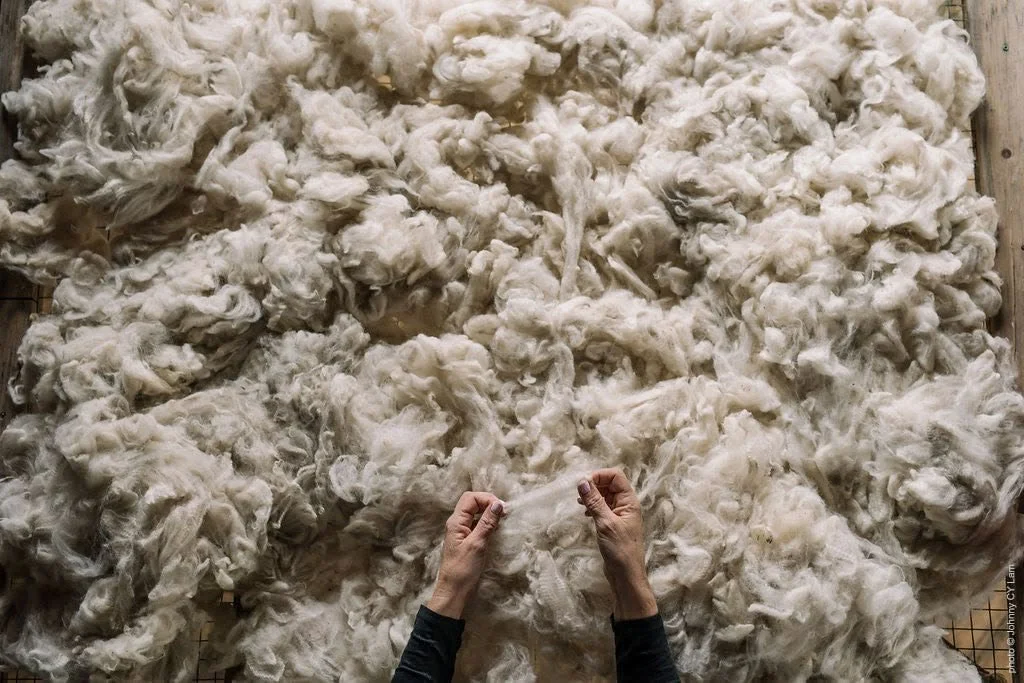
Linen (flax) and hemp are making a welcome comeback, and you can get clothes, bags and other items made from them. They are durable, safe and sustainable, which is not surprising; we’ve been wearing them for thousands of years. All these fabrics can be harmless to person and planet when they’re made, when they’re worn, when they’re washed and when they’re finally worn out. Wool, of course, is an important natural fabric too.
AS AWARENESS IS GROWING, SO IS THE MARKET FOR ALTERNATIVES.
Here we enter a bit of a minefield, where it may be hard to tell which brands are genuinely safe and ‘green’ and which result from a company just jumping on the ‘green bandwagon’ for commercial reasons.
Rayon and bamboo are examples of fabrics that start off natural – made from plant materials – but then are often treated with chemicals in a way that renders them toxic. Certified organic is the key!
Now, organic clothing is more expensive, there’s no way around it, so prioritise what touches your skin: your underwear, T-Shirts, leggings and nightwear. You can’t replace your whole wardrobe at once, and even if you could, you shouldn’t. The longer we can use our existing clothes, the better. But, to protect ourselves, we can make slow changes, from the Bottom Up, starting with switching your underwear and basics.